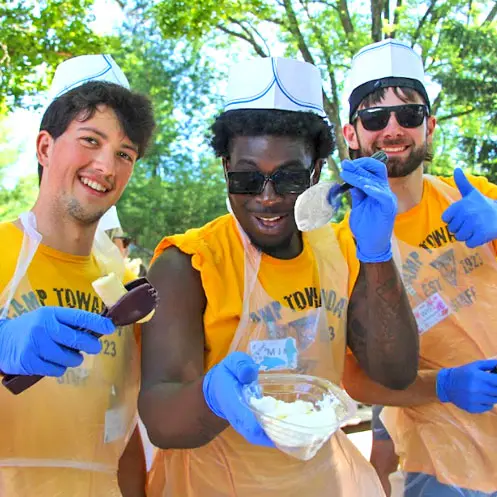
Dietary Restrictions at Summer Camp: What You Need to Know
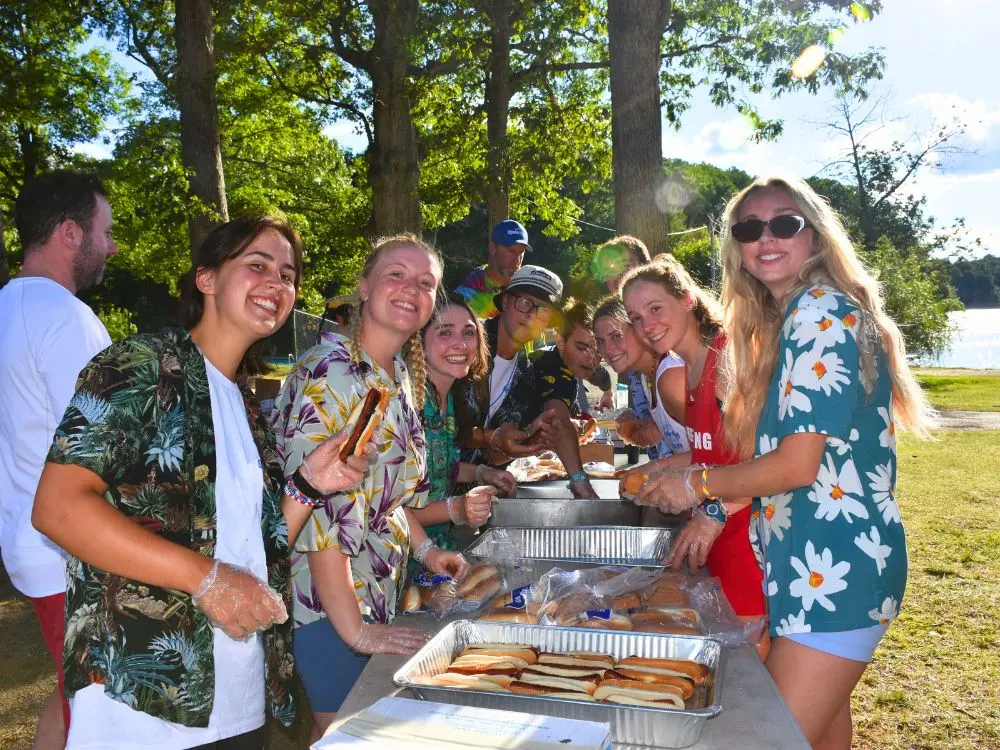
Don’t Let Dietary Restrictions Hold You Back
A super common question people ask before heading to camp is: “What happens if I have an allergy or dietary restriction?" It's a completely understandable concern, especially when you're travelling to another country and relying on camp to provide most of your meals throughout the summer!
As someone who is heading into my fourth summer at camp with Coeliac Disease, I can honestly say it has never caused me any issues whilst at Camp.
When I first applied to AmeriCamp, I was naturally a little nervous about how my 100% gluten free diet would be managed. However, my experience has been overwhelmingly positive. Camps take food allergies and dietary requirements very seriously, and many have staff members whose role includes overseeing food safety, allergies, and dietary accommodations. These are the people who can support you throughout your time at camp and help answer any questions you may have. If you have any questions before applying, contact the AmeriCamp team.
How Camps Support Allergies and Dietary Requirements
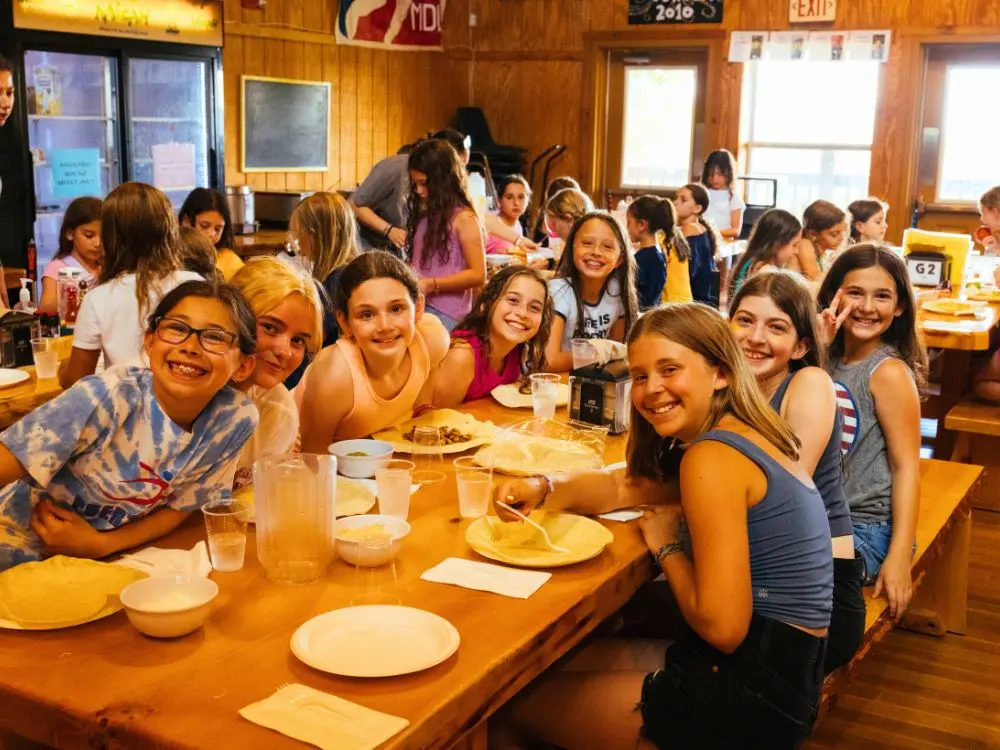
At the camps I've worked at, my meals have typically been prepared separately to avoid cross-contamination. In many cases, food is prepared in a separate area or kitchen space, and meals are often served separately as well to ensure everything remains safe.
Also, the majority of camps AmeriCamp works with are completely nut free camps. This means peanuts, tree nuts, and other nut products are either heavily restricted or completely prohibited on site, and most camps also do not allow staff or campers to bring food containing nuts from outside camp. These policies help create a much safer environment for everyone and significantly reduce the risk of accidental exposure!
Every Camp is Different: Ask Questions Before You Arrive
That said, every camp is different, and this is something that's always worth checking before you arrive. Procedures and staff experience can vary from camp to camp, so don't be afraid to ask questions beforehand - find out what their allergy protocols are, how they handle food preparation, and what experience they have supporting people with your specific dietary needs.
If you're still deciding whether camp is right for you, discover what a typical day at camp is like.

Arrive Prepared and Stay Safe
If you have a severe allergy, make sure you arrive prepared. Bring any prescribed medication, including EpiPens, antihistamines, or any other allergy treatments you may need. Even when camps have excellent procedures in place, it's always best to have your own medication readily available and know exactly how to access it if required.
The same goes for food in general - always double-check labels, ingredients, and precautions. While camps work hard to accommodate dietary needs safely, it's never a bad idea to take an extra moment to confirm something is suitable for you. Being cautious is always better than taking unnecessary risks!
Managing Your Diet During Days Off and Travel
Another important thing to remember is that while camp will provide your meals when you're on site, you'll be responsible for sourcing your own food during days off and any independent travel before or after camp. If you're gluten free like me, I highly recommend using the Find Me Gluten Free app, which I've found incredibly helpful when travelling around the States. Google Maps can also be useful for finding restaurants and stores that cater to dietary requirements, however, as always, make sure you double-check menus, ingredients, and preparation methods yourself before ordering!
Communicate Your Dietary Requirements Early
Also, make sure you clearly disclose any allergies, intolerances, or dietary requirements during your application process. There should be a time where you can provide this information, but it's always worth double-checking that your camp is aware before you arrive - the more information they have ahead of time, the better prepared they'll be to support you.
Your Dietary Needs Shouldn’t Stop You From Having an Amazing Summer
Finally, the most important thing I want to stress is that having an allergy or dietary restriction shouldn't stop you from applying to camp. Camps welcome staff and campers with dietary requirements every year and are generally very experienced in accommodating them.
From my own experience with Coeliac Disease, I've never had any issues. I've always had access to safe food, camp staff have always been understanding and supportive, and I've never felt like my dietary restriction prevented me from having an amazing summer.
So if you're worried about heading to camp with Coeliac Disease, a food allergy, or any other dietary requirement, my advice is simple: communicate with your camp, ask questions beforehand, come prepared, and take sensible precautions. Once you've done that, you can focus on making memories, meeting incredible people, and enjoying the experience of a lifetime!
By Caitlin Moore (Marketing Consultant at AmeriCamp)

YMCA Camp Sloane: A Counsellor's Guide to Connecticut's Lakeside Tent Camp

Camp Speers YMCA: What It's Like to Work at This 1,100-Acre Pocono Camp